October 9, 2014
The following is a homily based on Scripture readings for Sunday, Oct. 9.
“What are you going to wear?”
“I don’t know, but I think it’s a fancy place.”
“You mean I have to wear a tie? I hate wearing ties.”
“You know it’s a big wedding and you don’t want to look out of place do you.”
“I guess not.”
Conversations like this go on all the time because we are conscious of how we dress. We are afraid of overdressing, being the only one at a pool party wearing a suit; and we are afraid of underdressing, wearing shorts and a t-shirt to a formal event. It isn’t just that we don’t want to stand out. More, it’s that we want to show how much we respect the event, the hosts and the other guests.
Our Gospel ends in a pretty stark way. Here’s one of the men dragged in from the street who goes to the wedding party without the wedding gown. The king gets furious. “My friend,” he says, but this is full of irony. “How is it you came in here without a wedding garment?” Then the man is thrown outside, and the image is one of being condemned – “weeping and gnashing of teeth” – one of regret.
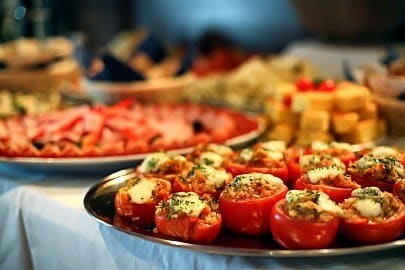
We can understand this final scene only when we see the shape of the whole Gospel passage. It’s all about being invited to something important. The king is throwing a banquet for his son. As the invited guests – these represent once again those who think they have a monopoly on faith and piety – come up with excuses. The king only gets angrier. Look at what these people are preferring to my banquet – a farm, a business – and these people at least had the decency to try to come up with an excuse! Others didn’t even bother to make an excuse. And others, like the tenants in the vineyard last week, turn to violence: they will do anything to keep from accepting the invitation.
The king destroys the city, obviously a reference to the destruction of Jerusalem which happened before Matthew’s Gospel was fully finalized. But what happens next is the crucial point: the king sends out servant after servant to the highways and bushes bringing in anyone who would come, “the bad as well as the good.” This is about the guests who come – the whole riff raff of humanity God has called into his Kingdom – people like you and me. But it is also about the banquet and the invitation. The Gospel is screaming at us: Don’t you know how important the banquet is? How can you say no? How can you not know?
We have a strong pointer to the meaning of the banquet in the first reading. Isaiah paints one of the most enticing and hopeful images anywhere in all the Scriptures: God is preparing a banquet, a banquet on a mountain, rich and lush. This banquet will heal humankind of its greatest disease: our distance from God (that’s why we are on the mountain) and our distance from each other. God tears away the veil we place between ourselves as individuals and nations. This veil leads to death, and death God will destroy at this banquet of life. “Behold here is our God, right here, saving us, giving us life.”
Most of us are vaguely aware of the banquet to which Jesus invites us. We often go about our daily chores as if these were unconnected with the deep drive inside of us for fullness of life. Paul says that our God will supply whatever we need, but do we know we need it? Do we hunger for the Kingdom? Do we hunger for the fullness that can only come from God? If we believers can be so blasé about God’s invitation, what about the rest? The only way we can be thrown out of God’s party is by not recognizing how important it is, and just how much we need it.
So it’s time to dress up, to realize that we have been invited, to clean ourselves up for the banquet of God. And it’s time to realize that we are also the servants God sends to invite all the others. “Hey, come on, entrance is free and God has prepared the greatest meal for us.” Indeed, we banquet here at Mass today so we can one day share the heavenly banquet, the feast of joy that will not end.