October 20, 2014
 True wisdom and humility
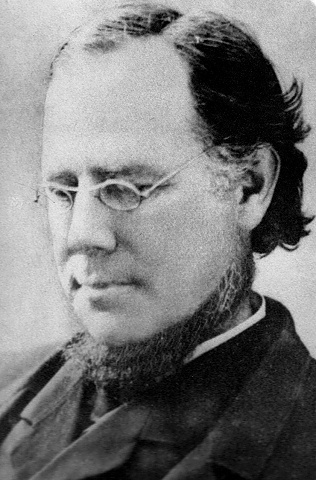
Servant of God Father Isaac Hecker wrote:
He who is not in his place in the order of things established by God will see all things in disorder. Being in one’s place in the order of grace is humility. Humility therefore is necessary for science and true wisdom. Science is the knowledge of how things are related and wisdom is the contemplation of ultimate causes.
Nothing can be said to be thoroughly known until we find out its cause. So the one who is ignorant of God, and who does not recognize God in his creatures and creation, understands nothing. The value of time is unknown to the one who does not know God, for he will never judge and esteem things at their true value. Ignorance is the effect of this intellectual blindness caused chiefly by pride, humility is the antidote to pride and restores to the soul the light of God, in and by which we see all things as they are and in their true relationships.
St. Augustine says, “Let me know myself as you know me.” Only the one who knows God can be truly wise according to the words of St. Thomas (Aquinas) “Man, when he regards absolutely the things that God is to say, the highest cause of the whole of the universe, is called wise. “We are truly wise when we arrive at the knowledge that we are fools and truly learned when we acknowledge that we are ignorant.” “O Lord, you are all and everything else is nothing.” We have no other lesson to learn than this: “ I beheld the earth and it was without form, and the heavens and there was no light in them.” (Jeremiah 4:23)
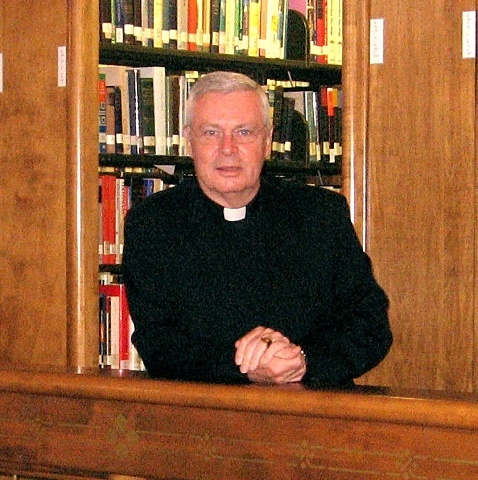 A response by Father Paul Robichaud, CSP
Wisdom literature in the Old Testament developed after the exile when Jews, now far away from Jerusalem, sought to be faithful and so began to compile instruction for retaining Jewish identity. Wisdom consisted in how to act and how not to act in various situations based upon lived experience. God operated through the laws of nature and society, rewarded the good and punished the bad in the afterlife. In the New Testament, Jesus the teacher is the personification of wisdom and, like the rabbis of wisdom literature, Jesus teaches how his disciples are to act and not act. In the New Testament this is done in love. St. Paul also adds his own understanding of his preaching of the cross of Christ, which is the wisdom of God but seems like foolishness to his Greek Roman world.
In modern usage, wisdom means perfect understanding and is tied to science, culture and philosophy. To be wise is to draw across these disciplines to lead a happy and successful life. How to act and how not to act remains at the core of wisdom as it is understood over the centuries. For Servant of God Isaac Hecker, living in the 19th century, wisdom had another dimension – that of contemplation. For Hecker, God was at the center of all creation, value and virtue and at the heart of all serious study. Hecker’s love of contemplative prayer fit perfectly into his understanding of wisdom. God is the source of all truth and knowledge, so to focus on God’s presence is to direct one’s attention to the source of all wisdom. Hecker equates wisdom with holiness. The first step is found in humility, where one recognizes their need for God. By approaching God with an open heart one has the capacity to grow in wisdom and holiness through contemplative prayer. For Hecker, you find wisdom when you find God, and because God is accessible so is wisdom.
About this series
Father Paul Robichaud, CSP, is the historian of the Paulist Fathers and postulator of the Cause of Father Hecker. His office is located at the Hecker Center in Washington, D.C.
If you have asked Father Hecker to pray for you or another person who is ill and you believe something miraculous has happened, please phone Father Paul at 202-269-2519 or write to [email protected] and tell him your story.