August 4, 2014
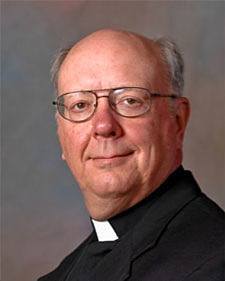
Father Charles R. Kullmann, CSP
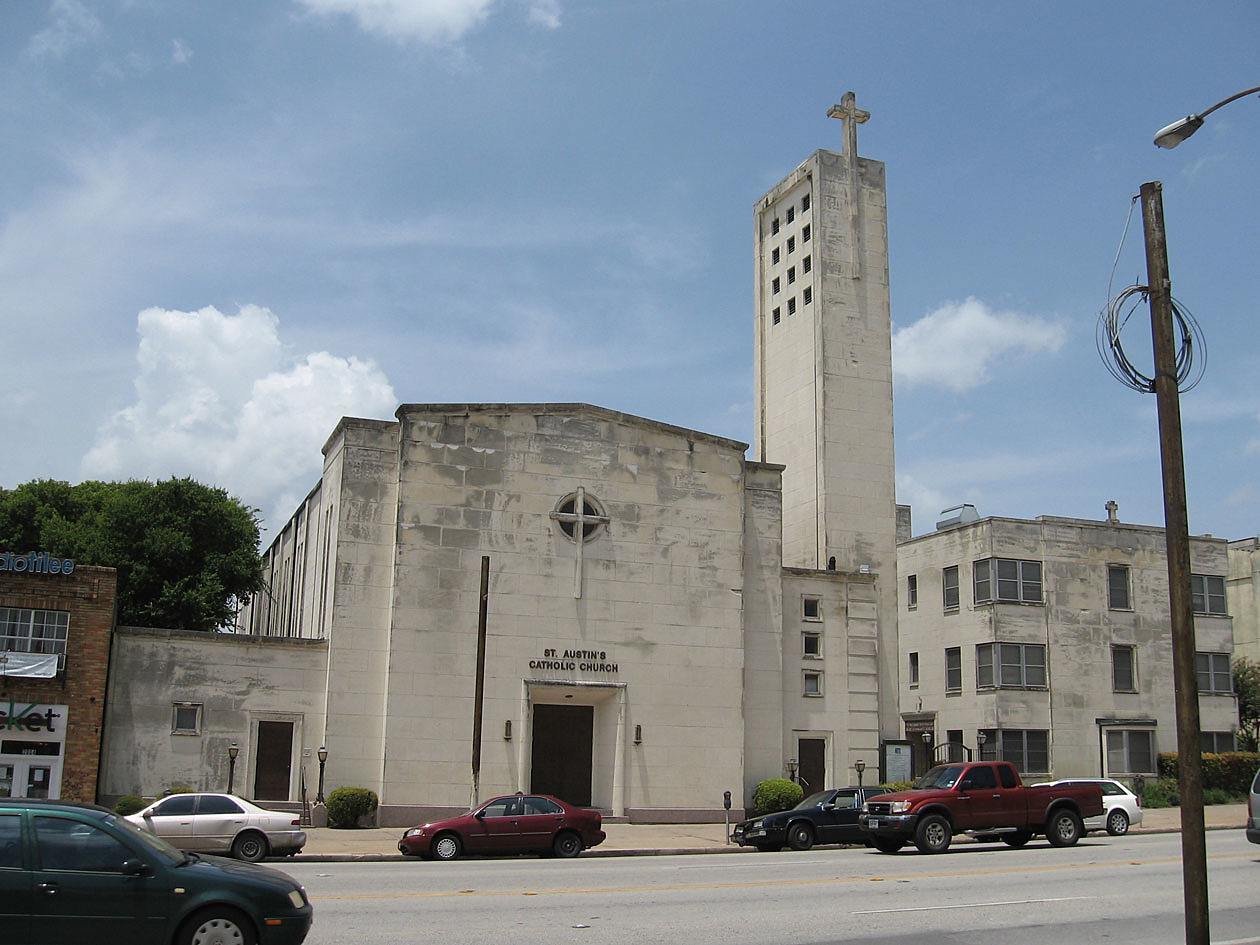
It is called “spalling.” No, it is not a clever move in the sport of curling, but it is a problem at St. Austin Church in Austin, Texas.
Pockmarks in the façade of the church and rectory buildings are the result of spalling – stones that have fallen off the building fronts, in this case due to corroding support brackets. The parish finance council and property committee have been working behind-the-scenes to come up with a solution to the spalling and other issues with the buildings at St. Austin, and now the repair project has taken some major steps forward.
The Steier Group has been contracted to perform a feasibility study on the potential for raising funds for the project. A $1 million grant request has been submitted to the Kenedy Foundation, established in 1960 to support and fund Catholic educational, charitable and religious activities in Texas currently soliciting grant proposals for church repair and renovation.
“We figured we are a prime candidate for that type of grant and quickly responded,” said Father Charles Kullmann, CSP, pastor of St. Austin who explained the grant request was submitted to the Diocese of Austin, who will forward four nominees to the Kenedy Foundation. “I hope that in July we will know if we made the first cut or not. Please pray for the Holy Spirit to guide the diocesan officials appropriately!”
And, last but not least, Sixthriver Architects was chosen to do the work, which could include other improvements including expanding the number of restrooms and making them handicapped accessible.
Sixthriver has “done much in this area, and considerable work with the Diocese of Austin, so I am quite happy and excited that we have a first-class team coming together to work on this problem,” Father Kullmann said.
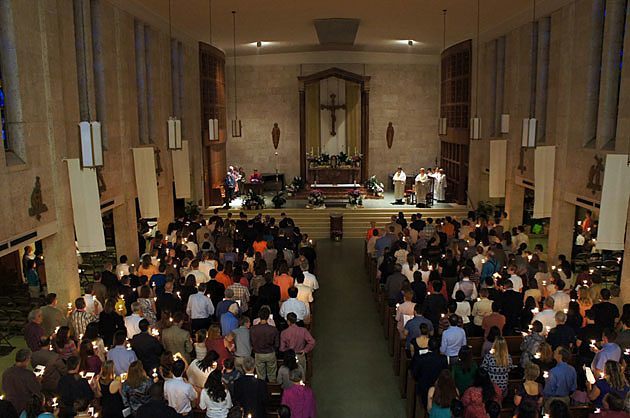
The church and rectory are safe to occupy and in use, said Steve D. Beuerlein, property committee chairperson.
“While the buildings are structurally sound, we take seriously the risk of injury to passers-by due to falling stone pieces,” he said. “The stone cross atop the tower has been removed and temporary metal screening has been installed in more risk-prone areas. In any event, something more permanent should be done as soon as practicable.
The addition ADA-compliant restroom facilities and additional space for a children’s Liturgy of the Word in the rectory might also be in store.
“The obsolescence of the restroom and nursery facilities is readily apparent, so we are confident that the parish community will respond to the needs of the physical plant,” Mr. Beuerlein said.
Increased curb appeal and visibility from Guadalupe Street, a main thoroughfare in Austin that runs on the side of the University of Texas campus nicknamed “the drag,” is also a must, according Father Kullman and Mr. Beuerlein.
“Currently the church looks like a sub power station for the university,” Father Kullmann said. “It is grey and nondescript. It has mold growing in the stone and looks grody, so we are looking for a new look.”
The project, which would unfold over the next 24-30 months, will hopefully inspire pride and ownership among the parishioners and attract new members as well, said Father Kullmann.
“I think it will call forth some more commitment from them, a renewed sense of interest in the parish,” he said. “I hope it will help us become more inviting and outreaching.”