October 7, 2013
 Father Ron Franco, CSP
More than 40 years ago, the Catholic Bishops of the United States designated October “Respect Life Month” and named the first Sunday of October “Respect Life Sunday.” Throughout the month of October, Catholics are invited in a special way to reflect on the gift of human life and how all persons’ lives can be protected from conception to natural death.
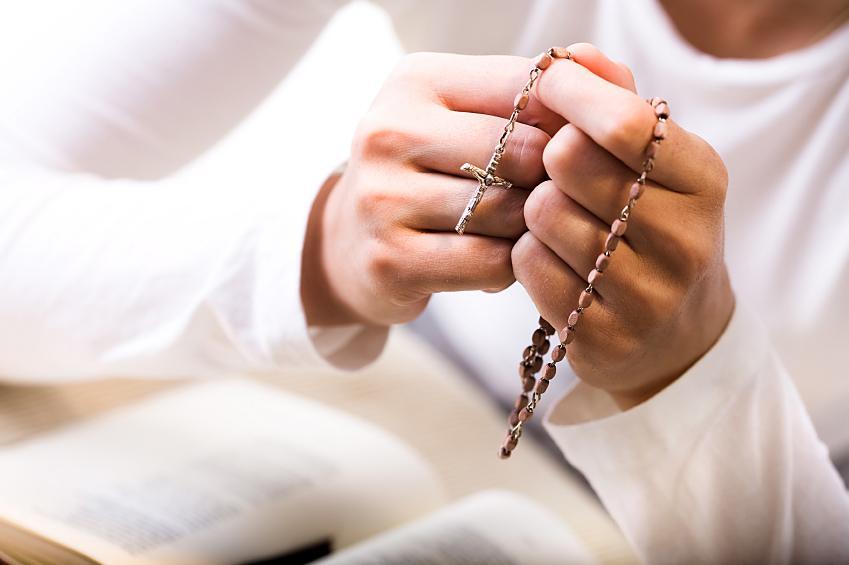
October has also long been observed as the month of the Rosary. After the naval victory at the Battle of Lepanto on Oct. 7, 1571, the feast of Our Lady of the Rosary was introduced into the calendar. From 1716 until the early 20th century it was celebrated on the first Sunday of October. Since 1913, it has been observed on Oct. 7. Those above a certain age may also recall the daily October Devotions, prescribed by Pope Leo XIII in 1886 and commonly observed until the mid-20th century. These devotions consisted of the daily recitation of five decades of the Rosary, the Litany of Loreto, and a prayer in honor of St. Joseph either in the morning during Mass or in the afternoon in front of the Blessed Sacrament exposed.
The Rosary is essentially a contemplative prayer, which involves, in the words of Pope Paul VI, “tranquility of rhythm or even a mental lingering which encourages the faithful to meditate on the mysteries of the Lord’s life” (Marialis Cultus, 62). There are a variety of popular customs concerning the recitation of the Rosary. One particularly effective German custom, often recommended as a way to encourage meditation, is the insertion of a relative clause in each Hail Mary after the name Jesus, referring to the specific mystery being considered.
Traditionally, the Rosary consists of 15 “decades,” each consisting of one “Our Father,” 10 “Hail Marys,” and one “Glory Be,” recited while meditating upon the five “Joyful,” the five “Sorrowful,” and the five “Glorious” Mysteries. To these 15 traditional mysteries, soon-to-be St. Pope John Paul II recommended five additional “Luminous” mysteries in 2002. These are: Jesus’ Baptism in the Jordan; his self-manifestation at the wedding of Cana; the proclamation of the Kingdom of God with the call to conversion; the Transfiguration; and the institution of the Eucharist.
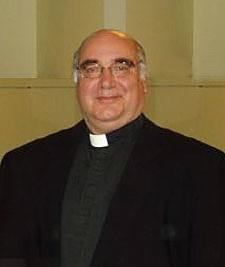
Father Ronald Franco, CSP, is pastor of the Church of the Immaculate Conception in Knoxville, Tenn.