October 1, 2013
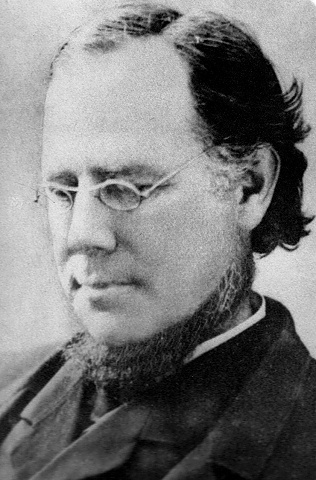 Here is Father Hecker on developing a spiritual life. This material is drawn from “Father Hecker’s Spiritual Doctrine” as found in Walter Elliott’s “The Life of Father Hecker” (1891). Walter Elliott was Father Hecker’s secretary and companion during Hecker’s last years of life. Elliott wrote, “He (Father Hecker) was always talking about spiritual teaching to whomever he could get to listen … His fundamental principle of Christian perfection may be termed a view of the Catholic doctrine of divine grace suited to the aspirations of our times. By divine grace, the love of God is diffused in our hearts; the Holy Spirit takes up his abode there and makes us children of the Heavenly Father and brethren of Jesus Christ, the divine Son. Being in the state of grace is therefore an immediate union of the soul with the Trinity, its Creator, Redeemer and Sanctifier. To secure this union and make it more conscious was Father Hecker’s ceaseless endeavor throughout his life both for himself and whoever fell under his influence.”
God’s guidance is of two kinds: one is of God’s external providence in the circumstances of life; the other is internal in the direct action of the Holy Spirit on the human soul. There is great danger in separating these two. The key to many spiritual problems is found in this truth: the direct action of the Holy Spirit upon the soul, which is interior, is in harmony with God’s external providence. Sanctity consists in making them identical as motives for every thought, word and deed in our lives. The external and the internal are one in God and consciousness of both is to be one divine whole in man. To do this requires heroic life sanctity.
St. Alphonsus says, “all sacraments of the Church, her authority, prayer both mental and vocal, spiritual reading, fasting and devotion, have for their end and purpose to lead the soul to the guidance of the Holy Spirit.” St. Alphonsus says in his letters that the first director of the soul is the Holy Spirit. “The guide to the soul is the Holy Spirit and the criterion or test of possessing that guide is the divine authority of the Church.”
The holy Council of Trent teaches that without an interior movement of the indwelling Holy Spirit no act of the soul can be meritorious of heaven. It bases human justification on an impulse of the Third Person of the Trinity. This impulse precedes the soul’s acts of faith, hope and love and of sorrow for sin. The first stage then is the entering of the Holy Spirit into the inner life of the soul. The Holy Spirit is received by the sacramental grace of baptism and renewed by the other sacraments; also in prayer, hearing sermons, reading the Scriptures or devout books and on occasions; extraordinary or ordinary, in the course of daily life. Each movement of virtue, especially love, hope, faith and repentance is made because the Holy Spirit has acted upon the soul in an efficacious manner.
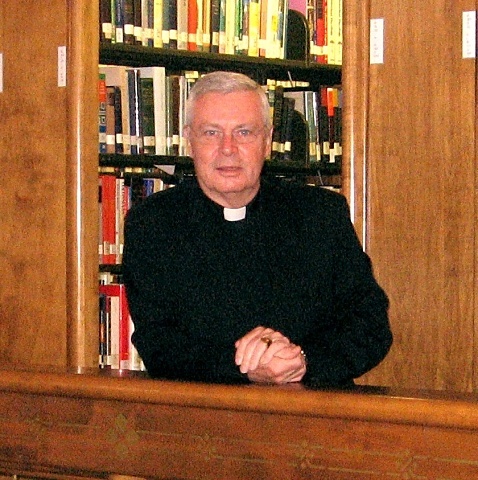 A Response by Father Paul Robichaud, CSP
For Servant of God, Father Isaac Hecker, the movement of God’s Spirit in our lives, or what Hecker calls “God’s guidance,” happens in two ways: internal and external. God’s Spirit dwells within us through baptism and moves and prompts us towards acts of faith, hope and love. At the same time, externally God speaks to us in the circumstances of our lives. God guides us internally and externally. Father Hecker says that these two paths of God’s guidance should never be separated but rather should merge together within our spiritual lives. “The external and internal are one in God.” And for Father Hecker they should be one in us.
This begins internally when the Spirit, which we have received in baptism, moves us to acts of faith, hope and love. To this Father Hecker adds the repentance of sin. As we open ourselves to the experience of God’s internal promptings, so virtue or the disposition to do good grows in us. Virtue becomes habit forming as we grow in grace. The other sacraments as well as spiritual exercises such as prayer and spiritual reading become means for the Spirit to deepen His presence and His guidance within us. At the same time Father Hecker reminds us that just as the sacraments are external signs of an internal action of God, so the internal and external should not be separated. God is at work in our lives, guiding us in the ordinary and extraordinary events of our daily lives. As we grow in holiness so we seek to merge the internal and external guidance of God. As Father Hecker says, this much more difficult task requires heroic (far more than ordinary) holiness. It represents an ultimate challenge in our lives to grow in God’s grace.
Father Paul Robichaud, CSP, is historian of the Paulist Fathers and postulator of the Cause of Father Hecker. Publishing and disseminating the writing of Servant of God Isaac Hecker is the work of the Office for Hecker’s Cause. If you have asked Father Hecker to pray for you or another person who is ill, and you believe something miraculous has happened, please phone Father Robichaud at 202-269-2538.
If you would like to contribute to Father Hecker’s cause for canonization, please click here.