March 31, 2014
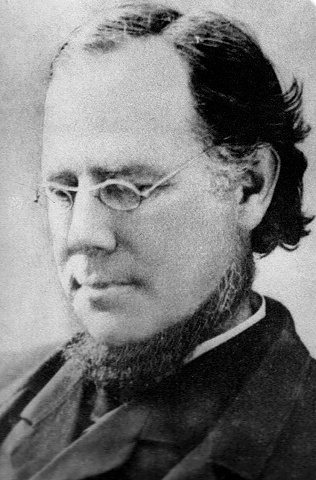
Father Hecker preached from the pulpit of the Church of St. Paul the Apostle in New York in 1864:
 The humanity of Christ
Our humanity longed for and needed a closer and easier communication with God. God responded to this deep longing in our nature and has come near to us in the person of his Incarnate Son, Our Lord Jesus Christ.
His eyes were open to the beauty of nature. He watched the birds build their nests and listened with delight to their songs. The sowing of the seed, the ripening of the harvest, the plays and dancing in the marketplace; these and all the events of daily life and of human interest attracted his attention and furnished illustrations for his teaching. His heart was alive to feelings for people and sensitive to the obligations of friendship. When the sisters of Lazarus wished for Jesus to visit their brother who was sick, they sent this message, “Lord, the one you love is sick.” When he arrived, Martha said, “Lord if you had been here my brother would not have died.” When Jesus saw her, he groaned and struggled with his human feeling and wept. Jesus was moved to pity for the sick and filled with compassion for the forgotten and poor. There welled up in the depths of his heart, words filled with unfailing comfort and support for all the suffering children of humanity when he said, “Blessed are the poor for theirs is the Kingdom of heaven” and “Come to me all you who are weary and heavy burdened and I will give you rest.”
God is no longer shrouded in obscurity, but openly revealed in our sight in Christ Jesus. The God Man Christ is now the perfect pattern of life to us all. In taking our nature God has sanctified all states of life, all our truths, struggles, afflictions, temptations, duties and joys.
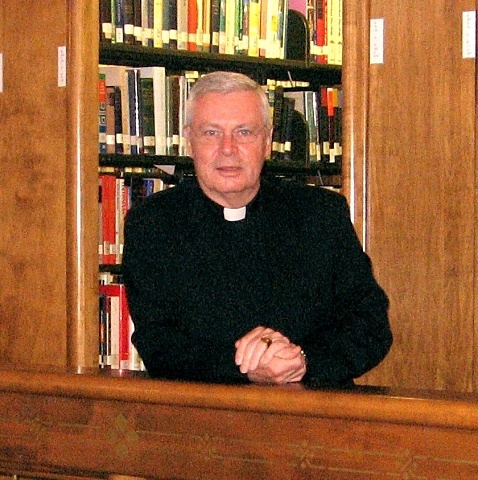 A Response from Father Paul Robichaud, CSP
God does not have to imagine what it is like to be human, for in Christ Jesus God only has to remember. Servant of God Father Isaac Thomas Hecker, CSP, presented this message in a sermon he delivered in 1864. Jesus Christ is the perfect response to humankind’s need to be understood by God. Judaism and Islam both teach that the relationship between humankind and God is that of a creature encountering a compassionate and loving creator. Christians understand God differently. In Jesus Christ, God has taken on our flesh, seen through our eyes, felt both joy and loss with our heart. God knows what it is like to hunger and thirst, to be tired and to feel alone, to be misunderstood and to suffer and die. God so loves us that God has become like us in all things but sin in the person of Jesus Christ.
This was a comforting message for American Catholics in 1864. The Civil War had dragged on for almost four long years and it seemed to have no end. Catholics in the parish of St. Paul the Apostle in New York had been of a mixed mind about the war. Many of the Irish immigrants who lived in the parish bounds had watched their male relatives, the potential breadwinners of their families, go off to fight for a cause they neither were committed to nor understood. Many had already died in battle. God could seem very far away.
All of us have moments when God seems very far away. No one is immune from this. Blessed Teresa of Calcutta represented God’s presence to the larger world while experiencing God’s absence in her own life. In the moments when we feel the absence of God Father Hecker reminds us that God knows what it is like to be us. Hecker takes it a step further. In whatever situation we find ourselves, in all of the states of life, both the joys and the hardships have been sanctified and can lead us to grace through the humanity of Jesus Christ our Lord.
About this series
Father Paul Robichaud, CSP, is historian of the Paulist Fathers and postulator of the Cause of Father Hecker. Publishing and disseminating the writing of Servant of God Isaac Hecker is the work of the Office for Hecker’s Cause. If you have asked Father Hecker to pray for you or another person who is ill, and you believe something miraculous has happened, please phone Father Robichaud at 202-269-2538.
If you would like to contribute to Father Hecker’s cause for canonization, please click here.