April 20, 2015
 The goodness of God
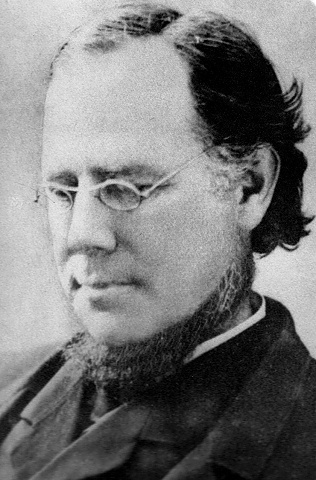
Father Isaac T. Hecker wrote:
The more helpless matters are, so much the more should we trust in God. Why, because God has created us. God has created us out of nothing, moved by his goodness alone. For the nature of goodness is to expand, to express itself, it surrounds us to make us happy. Every workman loves the works of his own hands.
Our confidence should increase with the rage of the storm and our joy should be greatest when danger is present because God is our God and the protector of all who trust in him. It will be so when our hope is not in ourselves but in God the Most High. He orders all things with power and disposes of them with gentleness. We must not look to humankind but to the will of God, which as St. Alphonsus (Liguori) says, sets all thing to rights. God will clothe us more beautifully than the lilies, feast us more sumptuously than the birds, esteem us to be of more value than the sparrows, and will not forget all of our wants when a hair on our head falls not to the ground without his notice. He will prepare for us a true path when we are lost and in times of trouble be our defender.
Whatever be our difficulties, our trials, pains or problems, we should chant with faith, hope and joy. “Victory, victory, victory,” for we are the children of the living God, the servants of the Most High. “The just shall live forever,” says the book of Wisdom, “and the care of them with the Most High.” These words and others like them come from those inspired by the Holy Spirit. They are words full of life, hope and encouragement – and as applicable today and a thousand years hence as when they were first spoken. The Lord God is our light, our life, our hope, our strength, our love. He gives to the needy with superabundance, and in due season he will give us the fullness of our desires. The Lord is our protector, of whom should we fear.
 A response from Father Paul Robichaud, CSP
The spiritual life is uneven for most of us. We have moments of experiencing the closeness of God and moments of experiencing God’s distance – when God seems far away and unresponsive. In this section of his notebook, Father Hecker began by writing about the absence of God. He asks the question, “How can anyone doubt that the providence of Almighty God watches over us?” If we doubt in God’s goodness, it is because the devil is at work sowing seeds of mistrust. Father Hecker cites St. Ignatius Loyola who “regarded all of the troubles of his soul as coming from the devil.” For Father Hecker, this was Ignatius’ “mark of confidence in God.”
Father Hecker writes that the way to overcome the experience of God’s distance is to trust in God’s goodness. Father Hecker draws this from Saint Ignatius’ meditation on the devil in The Spiritual Exercises. In De Dos Banderas, St. Ignatius, the veteran soldier, writes there are two flags or standards – one which belongs to Christ and the other to the devil – and they are in battle. For those who struggle to remain faithful to God, the devil attempts to induce them to worry, to be anxious, discouraged and despondent. The devil seeks to persuade a good person into thinking that to be a faithful Christian is burdensome, difficult and unrewarding. To forget how good God has been to them. The spiritual remedy for Father Hecker is to remember the goodness of God and to trust in God’s providence. And the more helpless matters are, the more we should trust in God. Father Hecker writes, “Happy the one whose confidence in Divine providence is without bounds, for he shall enjoy a perpetual serenity of mind and peace of soul.”
About this series
Father Paul Robichaud, CSP, is the historian of the Paulist Fathers and postulator of the Cause of Father Hecker. His office is located at the Hecker Center in Washington, D.C.
If you have asked Father Hecker to pray for you or another person who is ill and you believe something miraculous has happened, please phone Father Robichaud at 202-269-2519 or write to [email protected] and tell him your story.